About Hayley
Education should work for the child, not require the child to become someone else in order to access it.
From headteacher to consultant and advocate
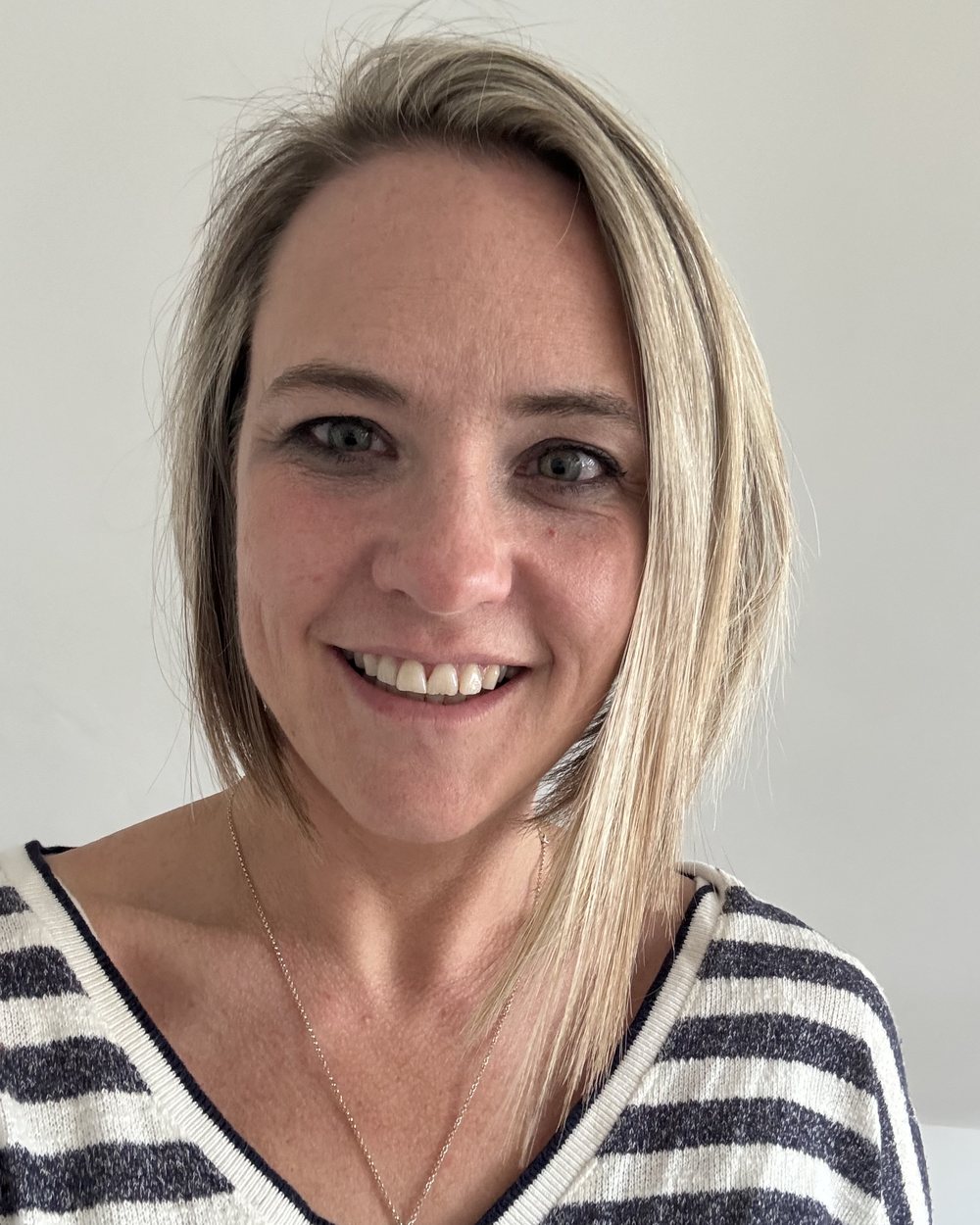
I am an experienced education leader, inclusion consultant and parent advocate with a career rooted in primary education, school leadership and SEND.
Before moving into consultancy I worked as a primary headteacher. That gave me first-hand experience of what schools are balancing: individual children against staffing, funding, accountability, safeguarding and curriculum expectations.
Over time, my work increasingly focused on the children for whom traditional approaches were not working.
- Children experiencing emotionally based school avoidance
- Children whose behaviour was communicating distress
- Children with ADHD, autism or other neurodivergent profiles
- Children affected by developmental trauma
- Children struggling with emotional regulation or executive functioning
- Children too often described by what they could not do, rather than understood in terms of what they needed
That experience shaped the work I do today.
Three connected areas, one principle
With schools
Consultancy, strategic review, inclusion audits and professional development.
With families
Independent advocacy, helping parents understand systems and communicate effectively.
With alternative provision
High-quality provision, assessment frameworks and meaningful measures of impact.
Behaviour makes sense when we understand what sits underneath it.
I am particularly interested in how neurodivergence, regulation, executive functioning and developmental experience shape a child's engagement with education.
My approach
I do not believe inclusion means lowering expectations. It means understanding what a child needs in order to have a genuine opportunity to meet them.
Whether I am sitting with a parent, working alongside a headteacher or helping a provider develop its model, my starting question is the same:
What is happening for this child, and what can the adults around them change to help?
Let's talk about what you need.
The first conversation is always free, and there is no obligation to take it further.